
The Rise of Modular Office Furniture
India’s office landscape is transforming at a speed that would have seemed impossible just a decade ago. Walk into a startup in Bengaluru, a corporate office in Gurgaon, or a co-working hub in Mumbai, and one thing becomes immediately obvious — traditional office furniture is fading away. Heavy wooden desks, rigid cabin layouts, and bulky storage units are being replaced by sleek, adaptable, and technology-friendly modular office furniture. Businesses are no longer designing offices just for functionality. They are designing environments that inspire creativity, improve employee wellness, maximize limited urban space, and reflect modern brand identities.
The year 2026 is expected to become a landmark phase for the Indian office furniture industry. According to market estimates from the Indian furniture sector, the modular office furniture market is witnessing rapid growth due to hybrid work culture, startup expansion, and increasing commercial real estate investments. Companies are realizing that office furniture is not merely an operational expense; it directly affects productivity, employee retention, workplace culture, and even business reputation. A thoughtfully designed office now acts like a silent ambassador for a company’s values.
Another major reason behind this transformation is India’s evolving workforce. Millennials and Gen Z employees expect flexibility, comfort, sustainability, and technology integration in their work environments. Employers who fail to modernize their offices risk appearing outdated and disconnected. Modular furniture perfectly aligns with these changing expectations because it allows businesses to adapt quickly without massive renovation costs. Whether it is movable workstations, ergonomic chairs, collaborative meeting pods, or AI-enabled smart desks, modular solutions are reshaping Indian offices from the ground up.
This article explores the most important modular office furniture trends dominating India in 2026. From sustainability to smart technology and employee wellness, these trends are redefining how modern workplaces function and feel.
The Evolution of Office Spaces in India
India’s office ecosystem has undergone a dramatic evolution over the past few years. Earlier, offices were primarily designed around hierarchy. Senior executives occupied large cabins while employees worked in tightly packed cubicles. The focus remained heavily on authority and structure rather than collaboration or comfort. Today, the narrative has completely changed. Businesses are embracing openness, flexibility, and employee-centric design principles, and modular office furniture is at the center of this revolution.
Why Indian Workspaces Are Changing Rapidly
Several factors are driving this workplace transformation. The startup boom across Indian cities has created a culture that values innovation and agility over rigid corporate structures. Young entrepreneurs prefer open layouts where teams can brainstorm freely rather than sit behind closed doors. This shift naturally increases demand for modular furniture because businesses need furniture systems that can be rearranged as teams grow or projects change.
Commercial real estate costs in metro cities are another major influence. Office spaces in cities like Mumbai, Bengaluru, and Hyderabad are expensive, pushing companies to maximize every square foot efficiently. Modular furniture allows organizations to optimize layouts without compromising aesthetics or employee comfort. Compact desks, movable partitions, and multi-functional furniture pieces help companies utilize space intelligently.
The pandemic also permanently altered workplace expectations. Hybrid work models forced companies to rethink office design. Offices are no longer places where employees sit for eight straight hours every day. They have become collaboration hubs where people gather for meetings, brainstorming, and team engagement. This evolution demands furniture that supports flexibility, mobility, and quick reconfiguration.
The Rise of Hybrid and Flexible Offices
Hybrid work culture is one of the strongest forces shaping office furniture trends in 2026. Employees now divide their time between home and office, which means companies need adaptable workspaces rather than permanently assigned desks. Hot-desking systems, modular seating arrangements, and portable workstations are becoming increasingly common across India.
Flexible offices also encourage collaboration among departments. Instead of isolated cubicles, companies are creating dynamic spaces with movable furniture that supports teamwork. A workspace can transform from an individual workstation area into a collaborative meeting zone within minutes. This adaptability saves money while improving office functionality.
Coworking spaces are also fueling this trend. India’s coworking industry is growing rapidly, especially in Tier-1 and Tier-2 cities. These spaces rely heavily on modular furniture because they serve multiple businesses with varying requirements. Lightweight desks, modular sofas, mobile partitions, and stackable chairs help coworking operators maintain flexibility while offering modern aesthetics.
The result is a workplace culture where furniture is no longer static. It evolves alongside the organization itself, almost like a living system responding to changing business needs.
What Makes Modular Office Furniture So Popular
Modular office furniture has become much more than a design trend in India. It represents a smarter and more strategic approach to workspace planning. Businesses today want furniture solutions that combine style, practicality, affordability, and flexibility. Modular systems deliver all these advantages while supporting future growth.
Flexibility and Scalability for Modern Businesses
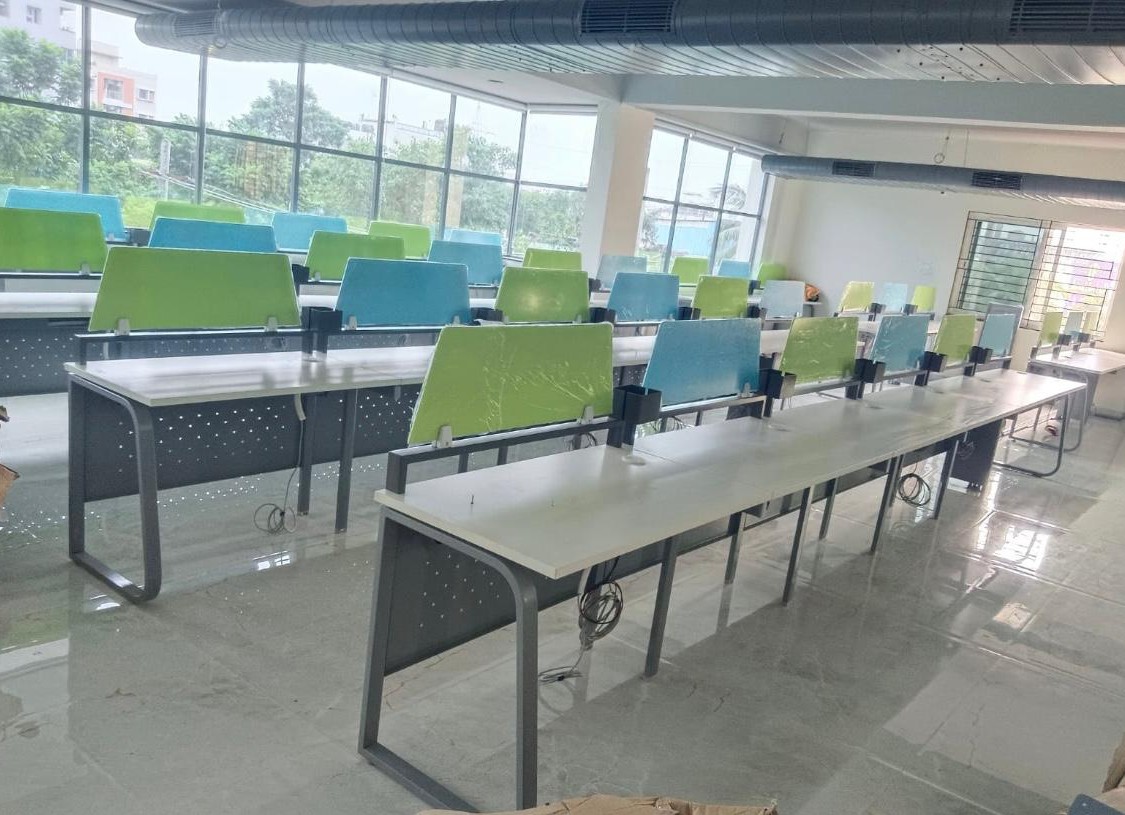
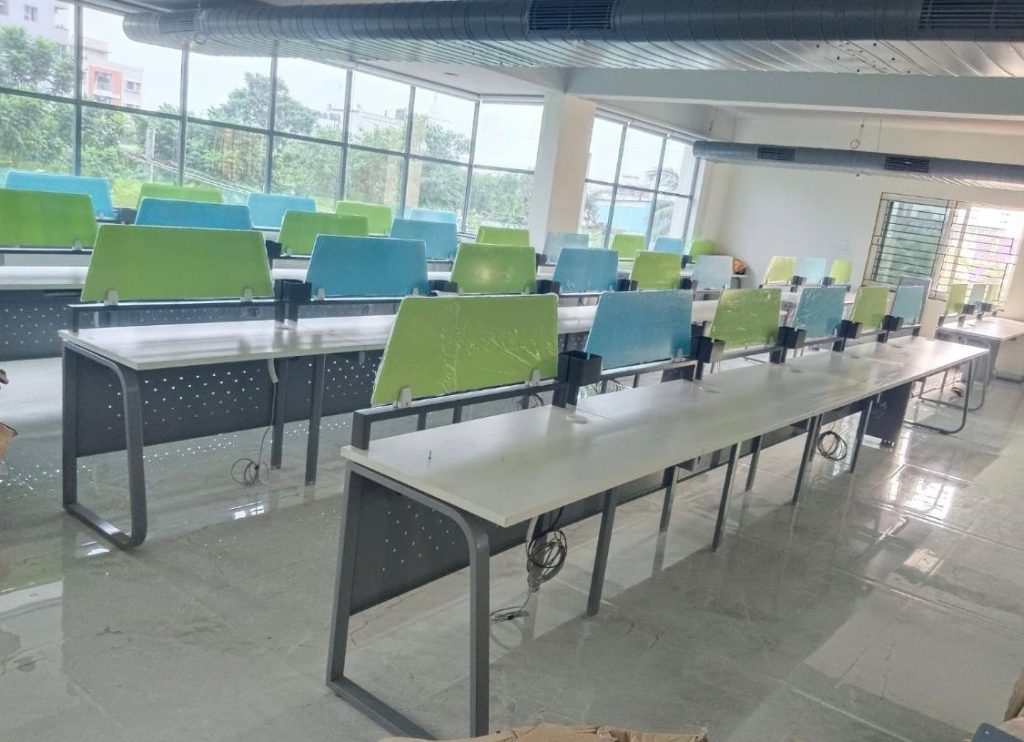
One of the biggest advantages of modular office furniture is scalability. Traditional furniture systems often require complete replacement whenever a company expands or changes its layout. Modular systems, on the other hand, allow businesses to add or remove components easily. This flexibility is especially valuable for startups and fast-growing companies.
Imagine a tech startup hiring 50 new employees within six months. Instead of purchasing entirely new furniture sets, modular workstations can simply be extended or rearranged. This reduces costs and minimizes operational disruptions. The office evolves organically without expensive redesign projects.
Another important factor is adaptability. Different teams require different workspace setups. Creative departments may prefer open collaborative zones, while finance teams might need quieter workstations with more privacy. Modular furniture enables companies to create customized environments within the same office space.
Employees also appreciate flexibility because it gives them greater control over their workspace. Mobile desks, movable seating, and reconfigurable layouts create a sense of freedom and comfort that traditional offices often lack.
Cost Efficiency and Long-Term Value
Indian businesses are increasingly focusing on return on investment when selecting office infrastructure. Modular furniture provides excellent long-term value because of its durability and adaptability. Instead of replacing furniture frequently, companies can upgrade or modify existing systems as their needs change.
Maintenance costs are also lower. Damaged components can often be replaced individually rather than discarding entire furniture units. This approach saves money while supporting sustainability goals.
Another often-overlooked benefit is faster installation. Traditional office setups can take weeks to complete, causing operational delays. Modular systems are designed for quick assembly and easy relocation, reducing downtime significantly.
Experts in workspace design often emphasize that modular furniture is similar to building blocks. Businesses can continuously reshape their office environment without starting from scratch each time. This agility is becoming essential in India’s rapidly evolving business landscape.
Smart Office Furniture Trends Dominating India in 2026
Technology is no longer limited to laptops, smartphones, and conference room screens. In 2026, technology is becoming deeply integrated into office furniture itself. Indian companies are investing heavily in smart modular furniture because workplaces are evolving into intelligent ecosystems where furniture actively contributes to productivity, comfort, and efficiency. The modern office desk is no longer just a flat surface for work. It is transforming into a connected productivity hub equipped with sensors, charging systems, automation features, and ergonomic adjustments.
Businesses across India are recognizing that employee expectations have changed dramatically. Workers want offices that feel as seamless and technologically advanced as their digital lifestyles. Smart modular furniture helps bridge this gap by combining aesthetics with functionality. The result is a workplace experience that feels futuristic without sacrificing practicality.
AI-Integrated Workstations
Artificial intelligence is making its way into office furniture in surprising ways. AI-powered workstations are becoming increasingly popular among premium corporate offices and technology companies in India. These desks can monitor posture, remind employees to adjust their seating positions, and even track productivity patterns throughout the day. Some advanced systems use occupancy sensors to optimize energy usage by controlling nearby lighting and air conditioning based on desk utilization.
Companies are adopting AI-enabled desks because employee wellness is becoming a business priority. Poor posture and sedentary work habits contribute to fatigue, back pain, and reduced concentration. Smart desks can gently encourage movement and healthier working habits by sending reminders to stand, stretch, or take short breaks. It is almost like having a silent wellness coach built directly into the furniture.
Large enterprises are also using AI-integrated modular workstations for workspace analytics. Managers can understand how employees utilize office spaces, which meeting zones are most active, and how collaborative areas perform during hybrid work schedules. This data helps organizations optimize layouts and improve operational efficiency.
Indian tech parks and innovation hubs are expected to lead this trend because they prioritize cutting-edge workplace experiences. Startups competing for top talent also see smart furniture as a branding tool that reflects innovation and forward-thinking culture.
Height-Adjustable Desks and Ergonomic Seating
One of the fastest-growing office furniture trends in India is the widespread adoption of ergonomic and height-adjustable furniture. Employees are becoming more aware of workplace health issues, especially after years of remote work exposed many people to poor home office setups. Businesses are responding by investing in ergonomic modular furniture designed to support long working hours without compromising physical well-being.
Height-adjustable desks are particularly popular because they allow employees to alternate between sitting and standing throughout the day. Research from workplace wellness studies suggests that standing desks can help reduce fatigue, improve posture, and increase energy levels. In Indian metro cities where tech professionals often work extended hours, this trend is gaining serious momentum.
Modern ergonomic chairs are also evolving beyond basic lumbar support. Many 2026 models include adjustable armrests, synchronized recline systems, breathable mesh materials, and dynamic spinal support mechanisms. Some premium chairs even use smart sensors to provide real-time posture feedback.
What makes modular ergonomic furniture especially attractive is its adaptability. Employees have different physical needs, and modular systems allow workstations to be customized accordingly. A single office can accommodate diverse seating preferences without losing design consistency.
The growing focus on employee wellness reflects a larger cultural shift. Companies now understand that productivity and health are closely connected. Comfortable employees are often more engaged, creative, and motivated. Office furniture has become part of the broader employee experience strategy rather than just a functional necessity.
Wireless Charging and Smart Connectivity
The modern office is filled with devices — smartphones, tablets, wireless earbuds, smartwatches, laptops, and portable accessories. Managing cables and charging stations can quickly create clutter, especially in collaborative environments. That is why wireless charging integration is becoming a defining feature of modular office furniture in 2026.
Desks with built-in wireless charging pads are becoming increasingly common in Indian corporate offices. Employees can simply place their devices on designated desk areas without dealing with tangled cables. Conference tables are also being upgraded with integrated charging hubs, USB-C ports, HDMI connectivity, and hidden cable management systems.
This trend is particularly valuable for coworking spaces and hybrid offices where employees frequently move between workstations. Smart modular furniture ensures connectivity remains seamless regardless of where someone chooses to work within the office.
Another major innovation is IoT-enabled furniture systems. Smart lockers can be accessed through mobile apps, conference tables can sync with scheduling software, and modular desks can connect to office management platforms. These integrations improve operational efficiency while creating a smoother user experience.
Designers are also paying attention to aesthetics. Earlier office tech setups often looked messy because of visible wires and bulky equipment. Modern modular furniture hides technological components elegantly, creating cleaner and more visually appealing workspaces.
The fusion of technology and furniture is reshaping expectations around workplace functionality. Offices are becoming smarter, more responsive, and better equipped to support modern digital workflows.
Sustainable Modular Office Furniture Trends
Sustainability is no longer just a buzzword in India’s corporate world. It has become a major decision-making factor across industries, including office design and furniture manufacturing. In 2026, businesses are under increasing pressure from employees, investors, and consumers to adopt environmentally responsible practices. Modular office furniture fits perfectly into this movement because it promotes resource efficiency, longevity, and adaptability.
Indian companies are beginning to understand that sustainable office design is not only good for the planet but also beneficial for brand image and operational costs. Eco-conscious workplaces appeal strongly to younger employees who value environmental responsibility. Sustainable modular furniture helps businesses communicate their commitment to a greener future while maintaining modern aesthetics and functionality.
Eco-Friendly Materials in Indian Manufacturing
One of the biggest shifts happening in India’s office furniture industry is the growing use of sustainable materials. Manufacturers are increasingly replacing traditional hardwood and chemically treated materials with eco-friendly alternatives such as recycled wood, bamboo, engineered wood, recycled plastic composites, and low-VOC finishes.
Bamboo is emerging as a particularly popular material because it grows rapidly, requires fewer resources, and has impressive durability. Many Indian furniture brands are incorporating bamboo into modular desks, partitions, and storage systems to reduce environmental impact while achieving contemporary designs.
Recycled metal frames and reclaimed wood panels are also becoming common in modular office setups. These materials provide industrial-style aesthetics that align well with modern office trends. Companies appreciate that recycled materials can deliver both sustainability and visual sophistication simultaneously.
Another major trend involves locally sourced materials. Businesses are increasingly prioritizing furniture made within India to reduce transportation emissions and support domestic manufacturing. The “Make in India” initiative has encouraged many office furniture brands to invest in sustainable local production systems.
Experts predict that sustainability certifications will become more important in the coming years. Companies may soon prioritize modular furniture suppliers that comply with green building standards and environmentally responsible manufacturing processes.
Circular Design and Recyclable Furniture
The concept of circular design is transforming how office furniture is manufactured and consumed. Instead of creating furniture that eventually ends up in landfills, modular systems are now being designed for easy repair, reuse, recycling, and reconfiguration.
This approach makes tremendous sense for businesses because office layouts constantly evolve. Instead of discarding old furniture during renovations, modular components can be reused in different configurations. A workstation today might become part of a collaborative meeting area tomorrow. This flexibility reduces waste and lowers long-term costs.
Some Indian manufacturers are even launching furniture buyback and refurbishment programs. Companies can return old modular furniture components for recycling or refurbishment instead of disposing of them. This creates a more sustainable lifecycle for office interiors.
Circular design also supports the growing popularity of rental office furniture services. Startups and temporary project offices often prefer renting modular furniture rather than purchasing it outright. This model reduces resource consumption while giving businesses greater financial flexibility.
The shift toward sustainable modular furniture reflects a deeper transformation in workplace philosophy. Offices are no longer being designed solely for immediate needs. They are being planned with long-term environmental impact and adaptability in mind.
Space-Saving Furniture Solutions for Urban Offices
Office space in India’s major metropolitan cities is becoming increasingly expensive. Businesses in Mumbai, Bengaluru, Delhi, Pune, and Hyderabad are constantly searching for ways to maximize efficiency without sacrificing employee comfort or aesthetics. This challenge has accelerated the popularity of space-saving modular furniture solutions in 2026. Modern offices are no longer measured by sheer size alone. Instead, success lies in how intelligently the available space is utilized.
Urban workplaces are embracing designs that feel open, flexible, and uncluttered. Modular furniture plays a critical role in achieving this balance because it allows businesses to transform compact offices into highly functional environments. The goal is simple: create more utility with less physical footprint. Companies are realizing that well-designed small spaces often outperform poorly planned large offices in terms of productivity and employee satisfaction.
Foldable and Multi-Purpose Furniture
One of the most exciting trends in modular office design is the rise of multi-functional furniture. Businesses are choosing furniture pieces that serve multiple purposes throughout the workday. A conference table can transform into collaborative workstations. Foldable desks can be tucked away to create event spaces. Modular sofas can be rearranged into breakout zones or informal meeting areas.
This flexibility is especially valuable in hybrid work environments where office occupancy fluctuates daily. Companies no longer need permanently assigned spaces for every employee. Instead, modular furniture enables dynamic workspace planning that adapts based on attendance and activity requirements.
Foldable furniture is also gaining traction among startups and coworking spaces. Lightweight, movable desks and stackable chairs allow businesses to reconfigure layouts quickly without requiring professional installers. It creates an almost fluid workspace experience where the office evolves continuously depending on operational needs.
Designers are becoming increasingly creative with hidden functionality as well. Storage compartments integrated into desks, benches with concealed filing systems, and movable partitions with writable surfaces are becoming common features in modern Indian offices. These innovations reduce clutter while improving functionality.
The aesthetic appeal of multi-purpose furniture is another major advantage. Earlier compact office furniture often looked purely utilitarian, sacrificing style for practicality. In 2026, modular designs combine sleek minimalism with intelligent engineering, creating offices that feel sophisticated despite limited space.
Compact Storage Innovations
Storage has always been one of the biggest challenges in office planning, especially in urban commercial spaces where every square foot carries a premium cost. Traditional bulky filing cabinets are rapidly disappearing from modern offices, replaced by modular storage systems that prioritize efficiency, mobility, and design integration.
Mobile pedestal units are among the most popular storage innovations in India’s modular office market. Employees can move these compact storage units easily depending on where they work within the office. This flexibility supports hot-desking models while reducing the need for large permanent storage structures.
Vertical storage solutions are also becoming more sophisticated. Instead of occupying valuable floor space, companies are utilizing wall-mounted modular shelving systems, overhead storage compartments, and integrated partition storage units. These solutions create cleaner layouts while maintaining accessibility.
Another emerging trend is personalized modular lockers. In hybrid work environments, employees may not have fixed desks anymore, but they still need secure personal storage. Smart lockers equipped with digital access systems are becoming increasingly common in corporate offices and coworking hubs.
Minimalism strongly influences storage design trends in 2026. Modern offices aim to reduce visual clutter because cleaner environments often improve focus and reduce workplace stress. Modular storage systems are being designed to blend seamlessly into office interiors rather than dominate them visually.
The emphasis on compact storage reflects a broader workplace transformation. Offices are becoming smarter, leaner, and more adaptable. Instead of filling spaces with static furniture, businesses are prioritizing efficiency and flexibility in every design decision.
Conclusion
The modular office furniture industry in India is entering a remarkable phase of innovation and transformation in 2026. Workplaces are no longer static environments built solely for operational functionality. They are becoming intelligent, adaptable ecosystems designed to support collaboration, creativity, wellness, sustainability, and technological integration. This shift is fundamentally changing how Indian businesses approach office design.
Hybrid work culture has accelerated demand for flexibility like never before. Companies need furniture systems capable of adapting quickly to changing team sizes, fluctuating office occupancy, and evolving work patterns. Modular office furniture provides exactly this kind of scalability while maintaining visual sophistication and operational efficiency.
Technology is becoming deeply embedded into workplace furniture as well. AI-enabled workstations, smart conference tables, wireless charging systems, and connected office infrastructure are transforming offices into highly responsive environments. These innovations improve productivity while creating smoother digital experiences for employees.
Sustainability is also reshaping the future of office furniture manufacturing in India. Eco-friendly materials, circular design principles, and recyclable modular systems are gaining popularity as businesses prioritize environmental responsibility alongside functionality and aesthetics.
Employee wellness has emerged as another defining trend. Ergonomic seating, biophilic design, acoustic privacy pods, and wellness-oriented layouts reflect a growing understanding that healthy employees contribute directly to business success. Offices are becoming more human-centered and emotionally supportive.
Luxury office furniture trends are evolving too. Modern premium workspaces prioritize personalization, intelligent design, and brand storytelling rather than excessive formality. Businesses want offices that inspire employees while leaving lasting impressions on clients and visitors.
As India’s commercial landscape continues evolving, modular office furniture will remain at the center of workplace innovation. Companies that embrace these trends early will likely gain significant advantages in employee satisfaction, operational flexibility, and brand perception. The office of the future is no longer a distant concept. It is already taking shape across India’s fastest-growing businesses.